
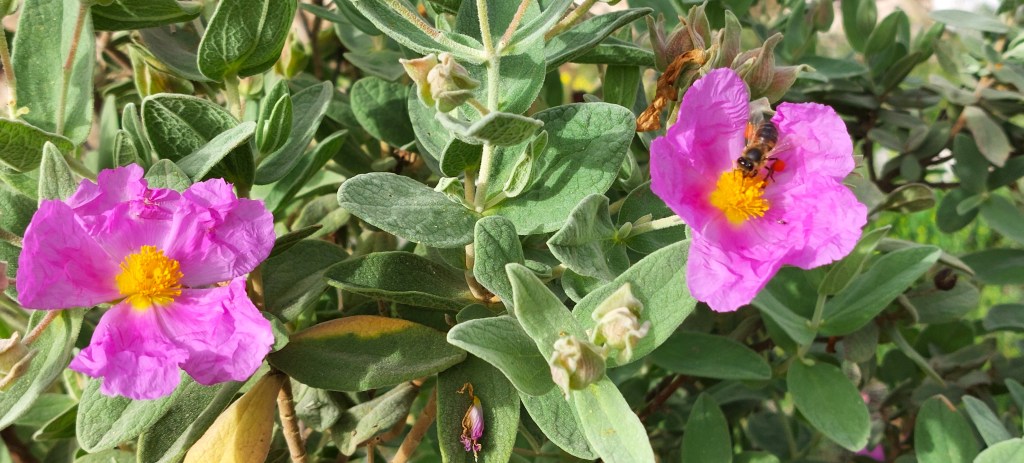
The hive out our window doesn’t cease with activity. Morning and night the loyal workers come and go – emerging more slowly in the early hours and picking up pace as the sun climbs the sky.
As they approach the nest, they wiggle and swoop wildly. An alien observer, I am mesmerized by the elegance of their dance; spinning and jetting this way and that as they come and go.
Yet there is more here than the surface whimsy that delights me. To those who understand, these pristine motions are purposeful and wise, communicating the details of each bee’s journey and experience.
Today, we have similarly ventured far from our nest. Following the call of Mother Baseball, we drove three hours to a tournament in Gap, a small village nestled between Provence and the Haute Alps. Gap sits inside a valley carved by ancient glaciers, rich in topography and flowing rivers.
I have heard about the beauty of Provence for decades, but never felt particularly drawn. After all, I grew up in the Willamette Valley in Oregon, the place where green was invented. Its dark fertile soil produces vast fields of rose, amber and white starting mid-spring. I also lived for a time outside of Denver and hiked through the Rocky Mountains painted with gold, fuchsia, and blue wildflowers. The sky so blue it hurt my eyes.
So, I thought, what could be so exciting about Provence?
And then I went to Provence.
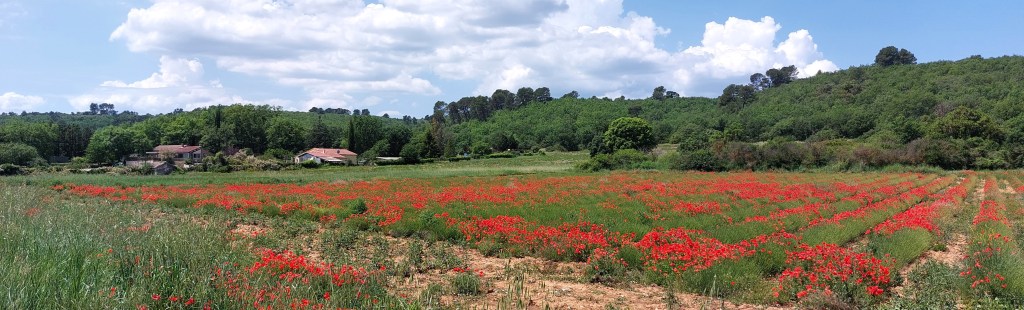
I had no clue how beautiful these stretches of land could be. Verdant, dramatic, colorful. Rolling terraces of vineyards and lavender fields are set against stark craigs and escarpments that cut deeply into the high mountains. Expanses of red poppies cover the grassy fields with a fire-engine red blanket.
And now in early summer, when longer days and the intensity of the sun are melting the snow and ice in the mountains, the fields and riverbeds are bursting with life.
As we make our way along the department road, we dance and swoop in and around corners just skirting the edges of the turbulent La Luye river. Sourcing ten kilometers above Gap in the foothills of the Haute Alps, La Luye presses headlong to the sea. On its journey, it converges with the Durance River, a tributary of the great Rhône River.
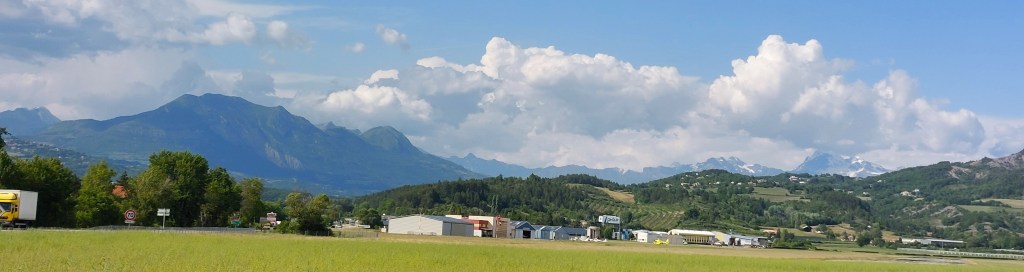
A bit south, we stop at a town called Château-Arnoux an outpost on the famous Route Napoléon – the path Napoleon took toward Paris as he sought to regain his throne after exile. Tonight we are staying in a converted 18th century posthouse, where riders would stop to deliver packages and trade out their exhausted horses for the next leg of the journey.
Out my window, I see the old stone barn – a humble structure of grey and brown rocks held together with crumbling mortar, the rusted remnants of the hay trolley protruding out of the loft window. I close my eyes and can almost smell the horses, fresh hay, and rain-soaked earth.
It must have been quite a place in its day. People coming and going with commerce and politics tucked into their leather satchels. Words exchanged, news shared, stories told over a fire as the day wound to a close. The siren song of the open road called to some, while others never ventured out beyond the village. But they all met here to greet, nourish, and refresh each other.
I gaze up at my hive of honeybees, which is still quite lively as the sun begins to set. Worker bees fly in at full-speed and stop just short of the entrance to the nest. They draw magical patterns as they dart to avoid colliding and share their news from abroad. Painting paisley patterns in the air, their bellies are full of nectar, their gluttonous furry faces covered in pollen dust.
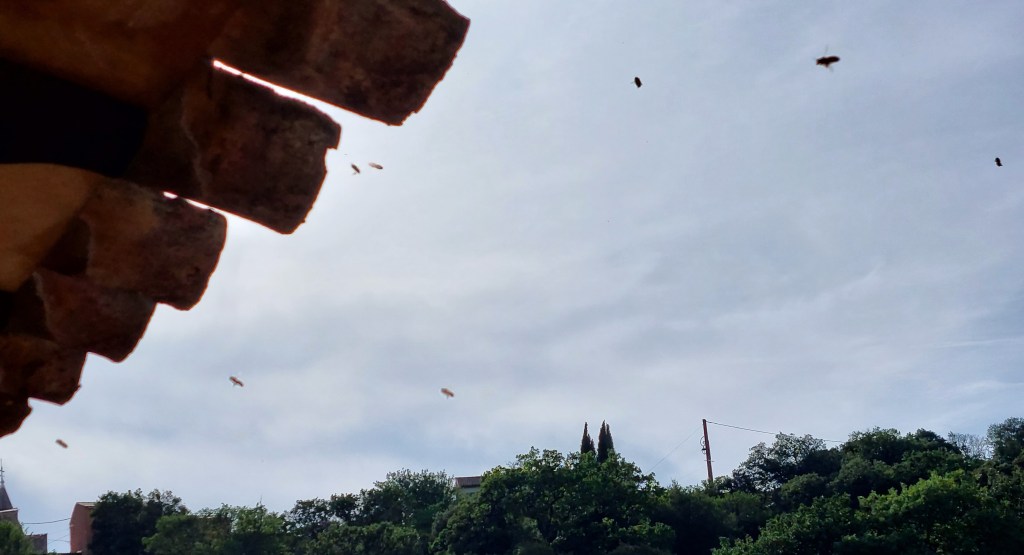
Bees are fascinating creatures. Their work is small-scale but purposeful. Their mission is simple yet critical to the survival of most animal species on the planet.
Worker bees live a mere six weeks in the summer, but they never seem to question their roles or what it all means. They are nothing without their hive, and yet they work almost exclusively as individuals.
After depositing their cargo, they explode back out into the world – untethered for the moment and lost in the beauty of their own dance. Soon they return laden and weary, to join the rhythm of the hive once more – before heading out again on another of their roughly ten to fifteen journeys each day.
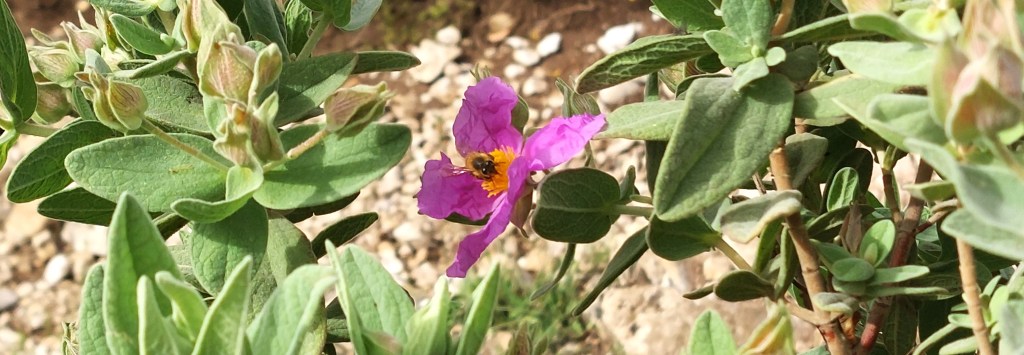
It makes me ponder the beauty of my own dance. I tend to discount the things I do each day – the meanderings through the market, the mountains of laundry, the preparation of meals, the endless car trips to school, practices, and activities. My daily adventures can feel pedantic, routine.
As a stay-at-home mother, I don’t contribute much financially to our life these days. I don’t have a shiny office and an executive assistant anymore. I no longer attend meetings with top executives of Fortune 100 companies.
While the long hours remain consistent, these days my strategic planning involves stretching the carton of milk until I can go to buy more. My financial plans address a budget that is a drop in the bucket to my former clients. My colleagues are 10 and 13 years old. My deliverables are often invisible.
And yet, my dance is also sacred. What I do nurtures me and sustains the living beings in my hive. In turn, we work to support our community and attempt to benefit our broader world. It’s subtle, but powerful in its own way.
I smile up at my honeybees and nod in recognition. Each of us is small, sure. But we swirl and spin to our own lyrical rhythm – and what we all do is breath-taking.
Bisous,
Hanna
 40 Weeks in France
3 responses to “Abeille ouvrière”
Hanna, the talented author, is a Bienenfeld (Field of bees). No wonder she appreciates the work of these mighty workers! ❤️😀🐝
JRB
<
div dir=”ltr”>
<
blockquote type=”cite”>
LikeLike
I don’t know how you managed this whi
LikeLike
WORKER BEE!
LikeLike